Marketing is not advertising. Nor is it branding. Nor is it packaging your offer. Marketing is not positioning. It is not your website. It is not social media. It is not presentations, videos or case studies. It is not even reels that fly into the top views. It is not the top spots in search engines. And it is not PR publications.
So what is it then? Marketing is all of this together, plus hundreds of little things that nevertheless have a significant impact on the final result.
But how exactly do small things affect the outcome? What impact does a single post or article about your brand have? Very little. It’s not even one per cent of success. You can only achieve the desired results through a combination of actions and improvements, most of which seem insignificant.
Here is an example that confirms this.
In 1992, Briton Chris Boardman won the gold medal at the Olympic Games in Barcelona in the individual time trial, beating Germany’s Jens Lehmann. It was the first triumph for British cycling since 1920, when God Save the Queen was heard again at the Olympics. However, this success could have remained a fluke if it had not been possible to build on it. British cycling had been in decline for a long time and was considered a lost cause, as Scottish journalist and former cyclist Richard Moore points out.
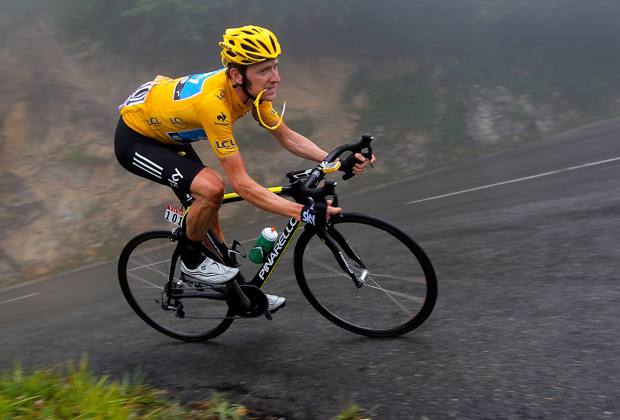
In his book Mastermind: How Dave Brailsford Reinvented the Wheel, Richard Moore describes the situation in British cycling before its revival. At that time, the results were so poor that one manufacturer refused to supply bicycles to British athletes, fearing that it would negatively affect the brand’s reputation and sales.
Therefore, the victory in 1992 could not remain just a lucky coincidence. It had to become the beginning of a new stage. That was the opinion of Chris Boardman’s coach, Peter Keen. He created a long-term strategy for the development of cycling in the UK, where Boardman’s victory was supposed to help attract the necessary funds to this area, which was suffering from a lack of funding.

In just a few years, British cycling, once considered an outsider, rose rapidly to the top. At the Athens Olympics, the British returned to the podium (for the first time in 22 years). However, the real triumph came at the 2012 Games in London, where the national team won seven gold medals out of a possible ten in track cycling. They cemented their status as leaders in world cycling, regularly winning medals at world championships between Olympic Games.
In less than a decade, Peter Keen and later his follower Dave Brailsford radically changed British cycling. The key to this was a simple idea that can be applied to any field of activity. Brailsford used the concept of “marginal gains” — a strategy of minimal improvements that involves gradual, insignificant changes in various aspects of athletes’ training and daily life.
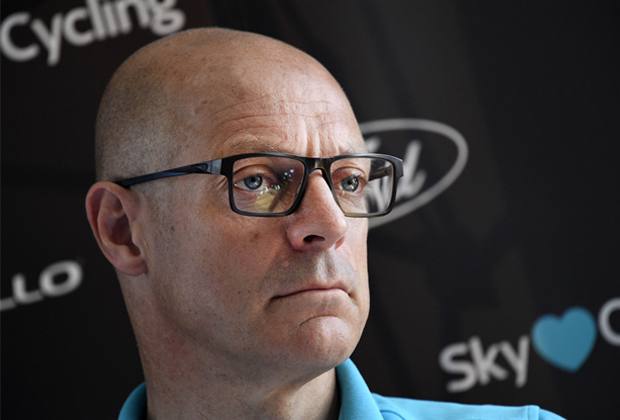
“If you break cycling down into its smallest components and improve each of them by even one per cent, the overall result will be significant,” Brailsford explained to journalists after the team’s triumph at the home Olympics.
Brailsford’s team studied all aspects of cycling in detail and began to improve every little thing. They made the bike seats more comfortable, rubbed alcohol on the tyres for better grip, and the riders wore heated shorts to maintain optimal muscle temperature. The athletes trained with sensors, the data from which was used to fine-tune the training system. They also tested different materials for racing suits in a wind tunnel to find the perfect option.
Brailsford made sure that no detail was left out of his control. He tested massage gels that promote faster muscle recovery, invited a professional surgeon to teach riders how to wash their hands, and selected mattresses and pillows to ensure athletes had a comfortable night’s sleep.
Between 2007 and 2017, British cyclists won 178 medals at world championships and won the Tour de France five times.
Although the team’s achievements are hard to argue with, some of its members had doubts about the concept of marginal gains. Sir Bradley Wiggins, one of Brailsford’s most successful athletes, called the idea nonsense, arguing that fundamentals, not minor details, are what really matter. He believed that success depended on personal ability rather than minor improvements. Despite his scepticism, the concept continued to work.
In marketing, you also won’t see how this minor action affects the result. But if you break down your business’s marketing into hundreds of small details, implement and improve each of them, the concept of minor improvements will work for you to its fullest potential.